

Can You Speed up Invisalign? Why Does It Take So Long for Invisalign to Work?
While modern orthodontics has streamlined the teeth-straightening process, moving teeth safely requires a precise biological timeline.
By Dr. Alireza Moshaverinia Curriculum vitae Published Updated
Wearing Aligners Longer
While it might seem intuitive that wearing your aligners for extra hours could fast-track your results, you cannot exceed the biological speed limit of tooth movement.
Your aligners are already designed to be worn for 20 to 22 hours a day. Wearing them for the full 22 hours ensures your treatment stays perfectly on schedule, but keeping them in longer will not safely force your teeth to move faster than the underlying bone can remodel.
What Affects How Long It Takes
Several key elements dictate the total duration of your orthodontic journey. These include the complexity and severity of your initial misalignment, your age, bone density, genetic factors, and how well your body responds to cellular remodeling.
- 01
The Complexity of Your Case
Mild aesthetic issues, such as minor spacing or slight crowding of the front teeth, can often be resolved in as little as 6 months. Conversely, complex malocclusions involving severe rotation of teeth, closure of large gaps, or significant bite corrections (like deep overbites or underbites) require more intricate force patterns and can take 18 to 24 months to fully resolve.
- 02
Age and Bone Density
Tooth movement relies on a biological process where bone is broken down and rebuilt around the tooth root. In younger patients, this bone remodeling happens rapidly because their jawbones are still developing and highly adaptable. As we age, bone density increases, and cellular metabolic activity slows down. While Invisalign is highly effective for adults of all ages, older adults may experience slightly slower initial tooth movement due to these natural changes in bone density.
- 03
Following Your Treatment Plan
The single most critical factor within your control is patient compliance—consistently wearing your aligners as instructed determines whether your treatment stays on track or falls behind. Following your treatment plan exactly as prescribed will not necessarily make your treatment finish ahead of schedule, but it guarantees you will get results as fast as biologically possible. Staying compliant prevents common setbacks. If you skip days or leave your aligners out for too long, your teeth will stop tracking, which forces your provider to order mid-course corrections and ultimately extends your overall timeline.
Speeding Up Treatment
Accelerated orthodontics can be used to safely shorten treatment times.
Vibration Devices
Technologies like high-frequency vibration devices (such as AcceleDent or VPro) can be used at home for a few minutes daily to stimulate bone activity around the teeth.
Micro-Osteoperforation
Additionally, minor in-office clinical procedures like micro-osteoperforation (MOPs) can temporarily alter bone density around specific teeth, allowing them to shift into place up to 50% faster under the close supervision of your dentist.
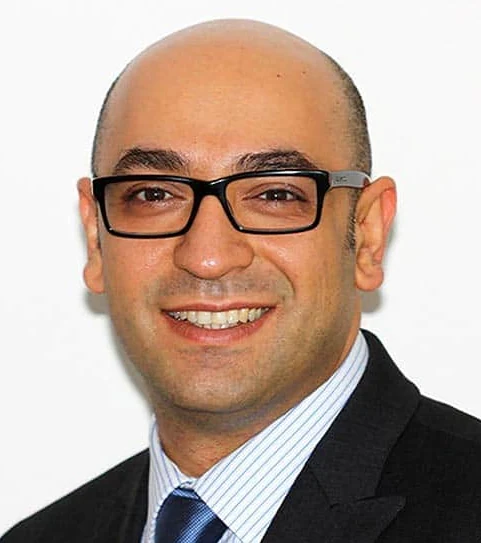
Meet Dr. Alireza Moshaverinia
Dr. Alireza Moshaverinia utilizes his extensive background in prosthodontics and biomaterials to design highly efficient, individualized clear aligner pathways.
Read his full biography: Dr. Alireza Moshaverinia →Medical disclaimer. This content is for informational purposes only and does not constitute dental or medical advice, diagnosis, or treatment. Always consult with a qualified dental professional regarding any questions about your oral health. Individual results may vary.