Prosthodontist vs Periodontist: What Is the Difference?
Understanding whether you need a specialist for the teeth (Prosthodontist) or the supporting structures like the gums and bone (Periodontist) is the first step in creating an effective long-term treatment plan.
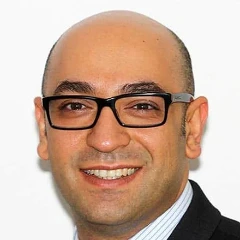
By Dr. Alireza Moshaverinia Curriculum vitae Published Updated
The Main Difference
The simplest way to distinguish the two is to think of a house: the Periodontist is the specialist for the foundation (the soil, the concrete, and the structural support), while the Prosthodontist is the architect and finish carpenter (the framing, the windows, and the aesthetic exterior).
The Periodontist
Focuses on the “periodontium,” which includes the gums, the cementum, and the alveolar bone. They are experts in managing inflammation and the biological health of the structures that hold teeth in place.
The Prosthodontist
Focuses on “prostheses.” They are experts in restoring and replacing teeth. Their training involves three additional years of residency focused on the biomechanics of the bite (occlusion), the aesthetics of porcelain, and the engineering of complex dental appliances.
Who Treats Gum Disease
A Periodontist is the primary specialist for treating gum disease (periodontal disease). Because gum disease is a chronic bacterial infection that attacks the bone and ligaments, a periodontist uses specialized techniques such as:
- 01
Scaling and Root Planing
Deep cleaning below the gum line to remove toxic bacteria.
- 02
Gum Grafting
Repairing areas where the gums have receded.
- 03
Osseous Surgery
Reshaping the bone to reduce the “pockets” where bacteria hide.
While a prosthodontist like Dr. Alireza Moshaverinia is highly trained to recognize the signs of gum disease, their role is typically to ensure the gums are healthy before placing a final restoration like a crown or bridge. If active disease is present, they will often coordinate with a periodontist to stabilize the infection first.
Missing Teeth and Bite Problems
This is the core expertise of a prosthodontist. While a general dentist can replace a missing tooth, a prosthodontist is uniquely qualified to handle cases where multiple teeth are missing or where the “bite” (the way upper and lower teeth meet) is misaligned.
Complex Full-Mouth Rehabilitations
For patients who have lost most or all of their teeth.
TMJ and Occlusion
Treating jaw pain caused by an uneven bite or worn-down teeth.
Advanced Dental Implants
Designing the prosthetic tooth that sits on the implant to ensure it withstands the heavy forces of chewing without breaking.
Why a Patient Might Need Both
For many complex cases, the highest level of success is achieved through a “multidisciplinary” approach. If you are getting a dental implant, for example, the roles are often split:
-
The Periodontist prepares the foundation. They may perform a bone graft to strengthen the jaw or a “sinus lift” to create space. They often surgically place the titanium implant post into the bone.
-
The Prosthodontist then takes over to design and place the “abutment” and the final “crown.” They ensure the new tooth looks natural and, more importantly, that it fits perfectly into your bite so it doesn’t cause damage to the surrounding teeth or the newly placed implant.
Working together, these two specialists ensure that your new smile is built on a healthy foundation and engineered to last a lifetime.
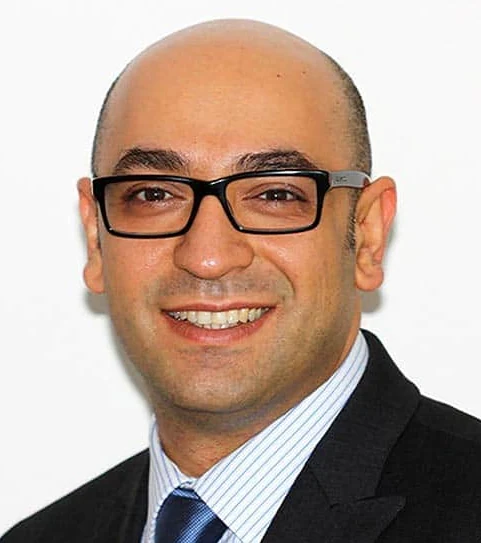
Precision in Prosthodontics
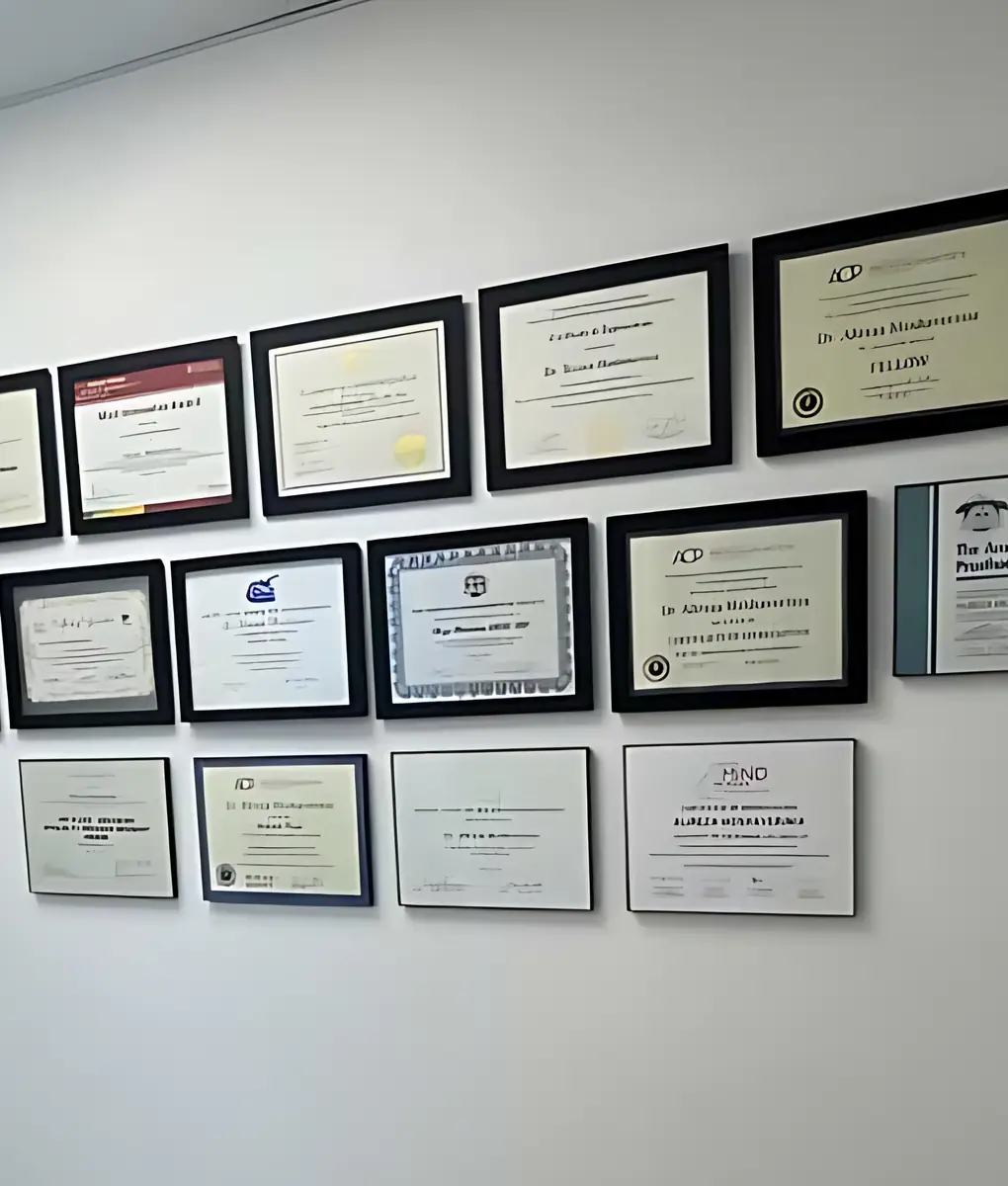
Dr. Alireza Moshaverinia, DDS, MS, PhD, FACP, is a board-certified prosthodontist and a Fellow of the American College of Prosthodontists.
With an extensive background in dental biomaterials and clinical research, he specializes in “biomimetic” restorations—treatments that replicate the strength, function, and beauty of natural teeth.
Read his full biography: Dr. Alireza Moshaverinia →Medical disclaimer. This content is for informational purposes only and does not constitute dental or medical advice, diagnosis, or treatment. Always consult with a qualified dental professional regarding any questions about your oral health. Individual results may vary.